
Tony Croft aka hamadryad
-
Posts
18,973 -
Joined
-
Last visited
Content Type
Profiles
Forums
Classifieds
Tip Site Directory
Blogs
Articles
News
Arborist Reviews
Arbtalk Knot Guide
Gallery
Store
Freelancers directory
Everything posted by Tony Croft aka hamadryad
-
Ive got this on my wish list! Roselli Knives

-
made it from softwood and no photos either, rubbish!
-
Birch IS hardwood, isnt it?
-
that is VERY cool! must be the winner?
-
seen a few handles like this and fine looking they are too:thumbup1: Mike, cant you drill a taper into the handle rather than a splice?
-
Any arbtalking veg growers in da house?
Tony Croft aka hamadryad replied to Tony Croft aka hamadryad's topic in The Lounge
looking for best fruit varieties myself at the moment:thumbup1: -
I would think a 2 to 1 advantage, a hitchclimber with VT and a foot ascender type pantin set up might suit this. The ground man can assist in the heaving if needs be or with the 2-1 advantage the thrusting would be that much easier on the handicapped person. interesting proposition, I wonder if there are any climbers or groundies with a handicap, not a situation that has ever come up in my experience but equal opportunities and all that present the potential. Lots to think about on this one.
-
Pollards - Leave fingers or not
Tony Croft aka hamadryad replied to cheesmanator's topic in Tree health care
No worries, hope it helps, so where was we.... If the tree divides into a number of stems below a height of 3 meters, these should be individually cut so as to initiate a "candelabra" framework "basically suggesting that we don't pollard the main stem but its double or multiple leaders, also often referred to as first order limbs, first order being the first divisions of the branching structure of the crown" If the stem has attained a greater diameter than 50mm, but less than 200mm at 2 m-3m height, pollarding may still be innitiated. The tree should be cut at or near the same hieght as a younger tree butextra care should be taken to retain some existing branches. Larger trees should be treated this way (see annexe C for severe cutting for special purposes)* "Again this is reiterating the point that the larger the tree, the greater the diameter of the cuts the more caution must be excercised in foliage retention. we could elaborate and go into some details about tapering the framework via sap wood risers using the standards model regarding reduction cuts and the 1/3rd ratio. In other words stepping from a big cut to a side branch and a side branch to a shoot." (will try to find an image) Bs 3998 2010 annexe C*I am not going to type out these annexes (c1,c2,c3) unless you also need that clarified or broken down 7.10 continued... Once initiated, a pollard should be maintained by cutting the new branches on a cyclical basis. The frequency of the cycles should be decided according to the site management objectives, species,age, condition and/or any product that might be required. Selective cutting whereby some of the pollard branches are retained in each cycle, should be chosen if this would help to prevent dieback and decay in the stem "this is relevant very much on a site by site basis as it is going into the managements according to potential purposes and or products from the pollard process. It also reiterates points we have already covered regarding potential death of vessels via a break in the connections from root to shoot, or "vascular pathways" I need another tea break! -
Fomes fomentarius on salix?
Tony Croft aka hamadryad replied to kieran connell's topic in Tree health care
also consider Phelinus igniarius, much more likely on host species -
Pollards - Leave fingers or not
Tony Croft aka hamadryad replied to cheesmanator's topic in Tree health care
O.k Standard (BS 3998 2010) in Bold type, me in "plain" in the gaps. 7.10 (BS 3998 2010) If pollarding is to be carried out it should preferably be started soon after the tree has become established and is between 25-50 mm"preferable, not essential"in diameter at the selected height of pollarding (often 2-3 meters) "hinting that pollards are generally 6-10ft high as generally accepted height for ensuring cattle cannot graze regrowth, may be adjusted for localized reasons, i.e traffic clearances, or for greater under canopy species like Hazel, and or herb layers etc to grow. hence the following statement in standard" The initial pollarding cut should be at a hieght that reflects site usage but which, if possible, allows for the retention of some of the existing foliage, " This is hinting at the sap risers" in order to maintain physiological function and thus reduce the probability of dieback or death "cutting out all foliage can and often does lead to a total break in the vascular connections, the tree must replace buds with reserves of starches that are also often limited in the decayed or hollow stems as there is less functional woody storage capacity in the zxylem/rays" I will continue later, this is taking some time! (for those pedants who will no doubt be quick to judge! this is my attempt to help others out, if you can do a better job step up to the plate by all means, but keep it to the subject matter, you know who you are:sneaky2:) -
Any arbtalking veg growers in da house?
Tony Croft aka hamadryad replied to Tony Croft aka hamadryad's topic in The Lounge
interesting, thanks -
Pollards - Leave fingers or not
Tony Croft aka hamadryad replied to cheesmanator's topic in Tree health care
its all well and good having such guides but what about the numbers of stubs how does one evaluate that? and what about thinning the stubs leave the thinner ones and collar the larger ones or vice versa? not trying to be awckward just highlighting the realities of individual models that attempt to make it an exact science when it cant be as each tree has its own characteristics needs and biology/ecology -
lets not define everyones capacity or experience huh, define yours by all means.
-
Pollards - Leave fingers or not
Tony Croft aka hamadryad replied to cheesmanator's topic in Tree health care
do you mean your struggling to put that paragraph into plain english and would like it broken down, or expanded upon? -
Pollards - Leave fingers or not
Tony Croft aka hamadryad replied to cheesmanator's topic in Tree health care
Yes but this basically follows current thinking that pollarding can only be done to trees when young, and that any other pollarding is called "topping" There is a lot of very good research being done on these matters by Helen Read, I would recommend anyone interested in the whole veteran ancient/pollard subject to look up all her work as well as that of other members of the Ancient tree forum with particular attention to Ted green and Neville Fay -
Whilst I would agree with much of this I wouldnt agree that middle management/pen pushing roles are worth anymore than the top rates a climber/foreman would receive. Both roles require different skills, both high levels of skill and experience, but one thing that is not factored in is the short lifespan of a climber, many will bang on and on about this guy or that guy at 70 still doing the climbing blah blah, but these are exceptions to the rule. A bad climber will kill somebody, a good climber is jugling many responsibilities, the poor one couldn't give a hoot. You get what you pay for in this world. I couldnt get 200 pounds a day if i tried as a freelance climber, not and be busy 6 day weeks, theres so many factors in determining your own value, I have always relied on my capacity to do ANY tree thrown at me and to complete works in the most efficient way possible. This alone means I will always get a little more than the average Joe fee wise, but it also means i will not be called in for average jobs that Joe can do. I had to swallow my tongue recently when doing a job where a young lad had been hired as freelance for the day, a basic couple of tickets two saws selling himself as a groundy/feller for £130 a day and fresh from tickets! Now That isnt much below me money wise, and I think there is something very wrong with these young boys assumptions about this industry, and there is only one reason they are assuming they are entitled to such disproportionate wages. And if i am wrong, and these lads are entitled worth 130 a day, than Im worth 260 a day and not a penny less! I didnt know what he was charging till I was asked what I would have paid him for his efforts that day ( I had to tell him to pull his finger out a couple of times) I said 60-80 a day, the Bossman choked:lol: The mid to 80's to 2000 were probably peak time, but a decade of over enthusiastic teens and delusional collages building them up into a frenzy has seen an end to the Hay making, if you want to continue making Hay, I would suggest a new industry would be the best plan or to add as many strings within this one to your bow as is possible. Set yourself apart be so usefull in so many areas of this industry as to become almost indispensable, and rack up them hours of experience too. If I was a young lad looking for a decent wage in this day and age I would be looking to Law, H&S sector, or the biofuel sector, which is about to balloon, or a bit of all three
-
they are VERY prone to frost damage,
-
sorry didnt mean to stir it just thinking aloud. just saying I personally wouldnt rely on it without cross reference to other sources, least till its tidied up a bit.
-
Pollards - Leave fingers or not
Tony Croft aka hamadryad replied to cheesmanator's topic in Tree health care
yes, there is mention of pollards/practice, shall have to get the kindle out and get the relevant chapter out:thumbup: -
Pollards - Leave fingers or not
Tony Croft aka hamadryad replied to cheesmanator's topic in Tree health care
yes:thumbup1: -
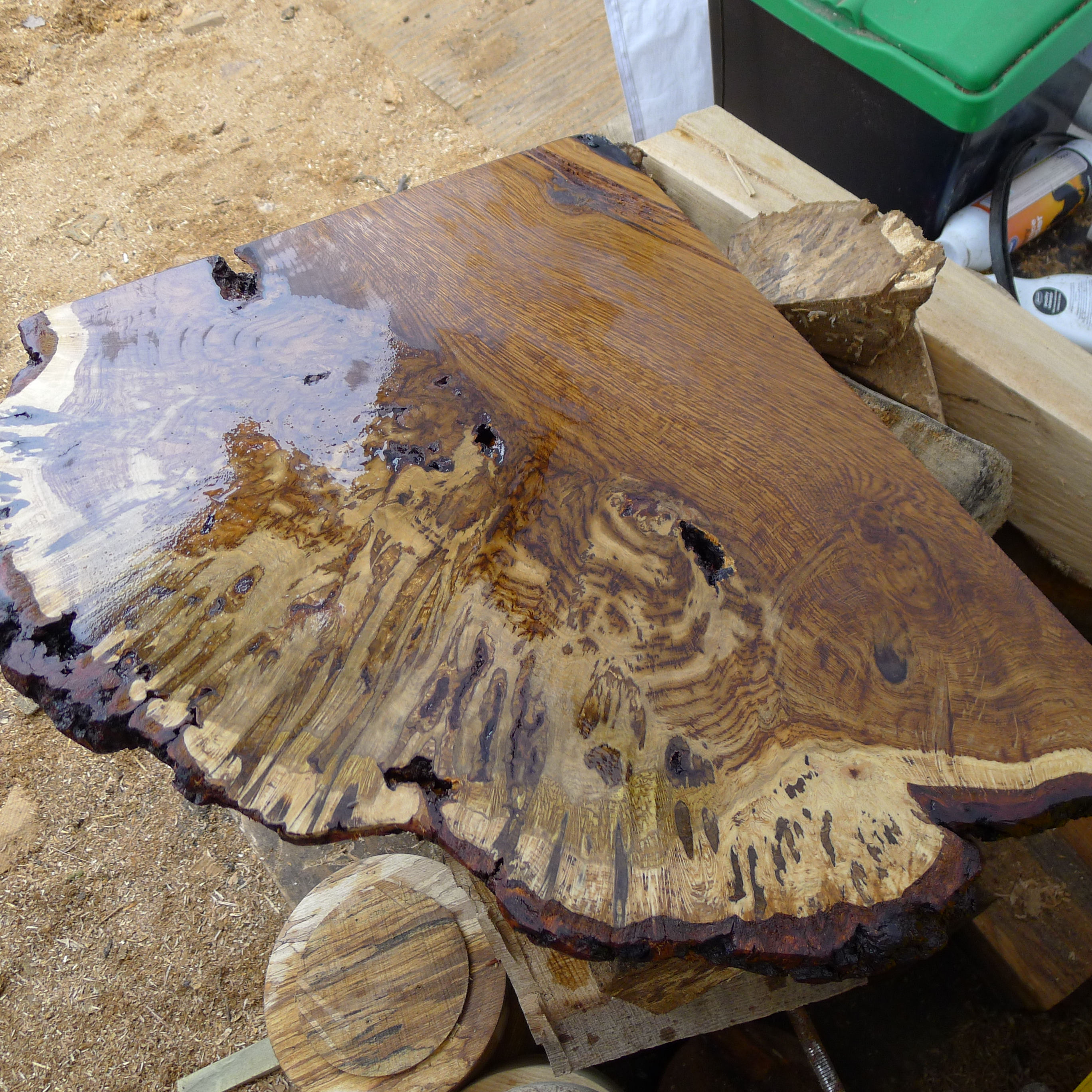
crikey, this ones gonna be tough! long standing dead oak
-
Pollards - Leave fingers or not
Tony Croft aka hamadryad replied to cheesmanator's topic in Tree health care
Its a tree by tree situation, I might say 2-3ft long and then thin these stubs as they broaden cutting back to the knuckles of these stubs for a few cycles then allowing new ones to come through from the origional head hight to replace these as and when. its really all about keeping active channels (here we go watch em pick me up on that term) sap risers really help maintain function. I think sap risers even just small stubs with a few buds are very important in pollarding. They maintain a flow, a connection of the vessels to roots via the vascular system -
Pollards - Leave fingers or not
Tony Croft aka hamadryad replied to cheesmanator's topic in Tree health care
younger pollards can be done to the knuckles, young or with High vigor, the older they get the more it becomes necessary to allow stubs (with newer/younger tissues and higher dormant bud counts to remain) -
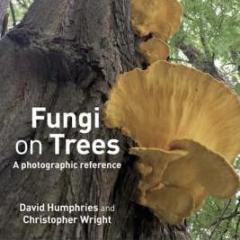
mind you, theres only 159 records for chicken of the woods on Taxus, so its not really telling you much, FRDBI is a good guide but needs more recorders to get involved to populate the list, Myself included!
-
32 records is not at all common!