


Malus
-
Posts
93 -
Joined
-
Last visited
Malus's Achievements

Collaborator (7/14)
-
 Rare
Rare
-
 Rare
Rare
-

-
 Rare
Rare
-

Recent Badges
-
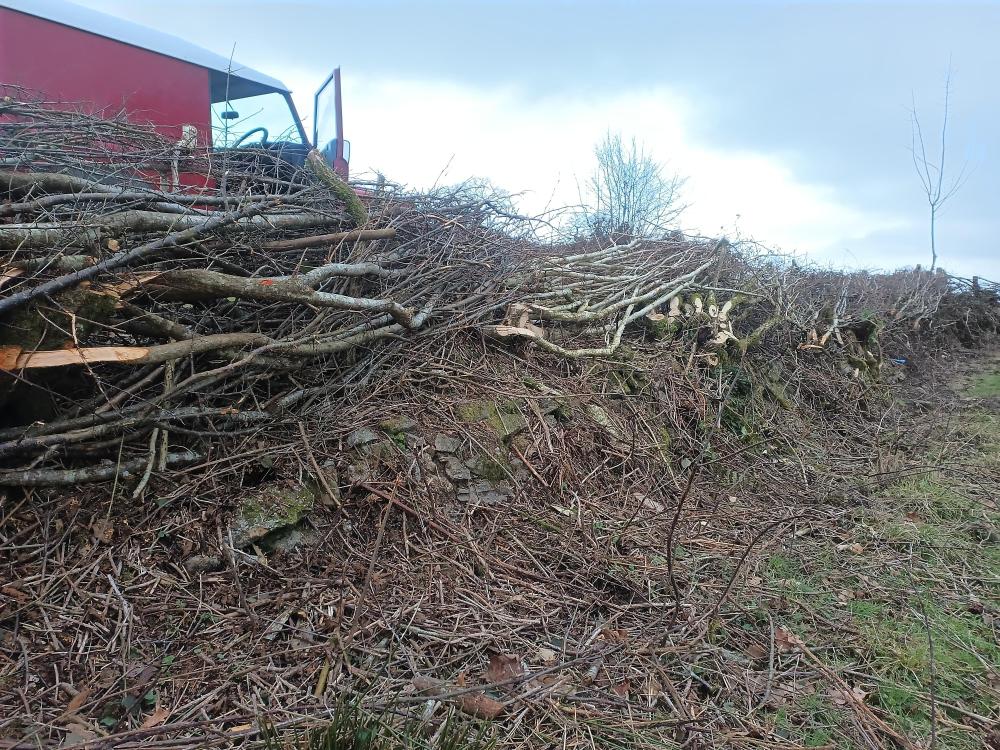
Yes the banks here do tend to be a bit lower than down there, but we should have some tall ones too. This one's got a bit of clawdd too, stone faced earth bank much like Devon hedges? It's in pretty poor condition though and no grant towards restoration on this hedge.
-
How do you find the shear on the 2.6 tonner? Been thinking about getting one but keep questioning how much better it will be than a guy on the saw and one in the digger with a grab. Got and pics of it in action?
-
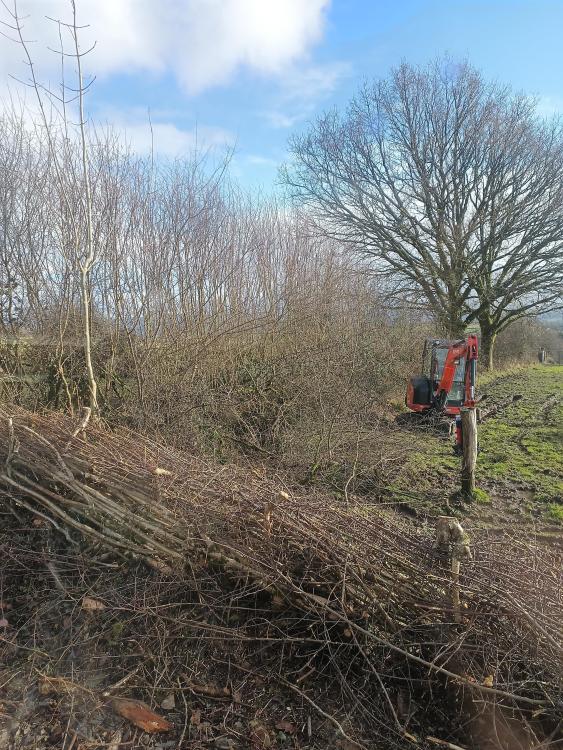
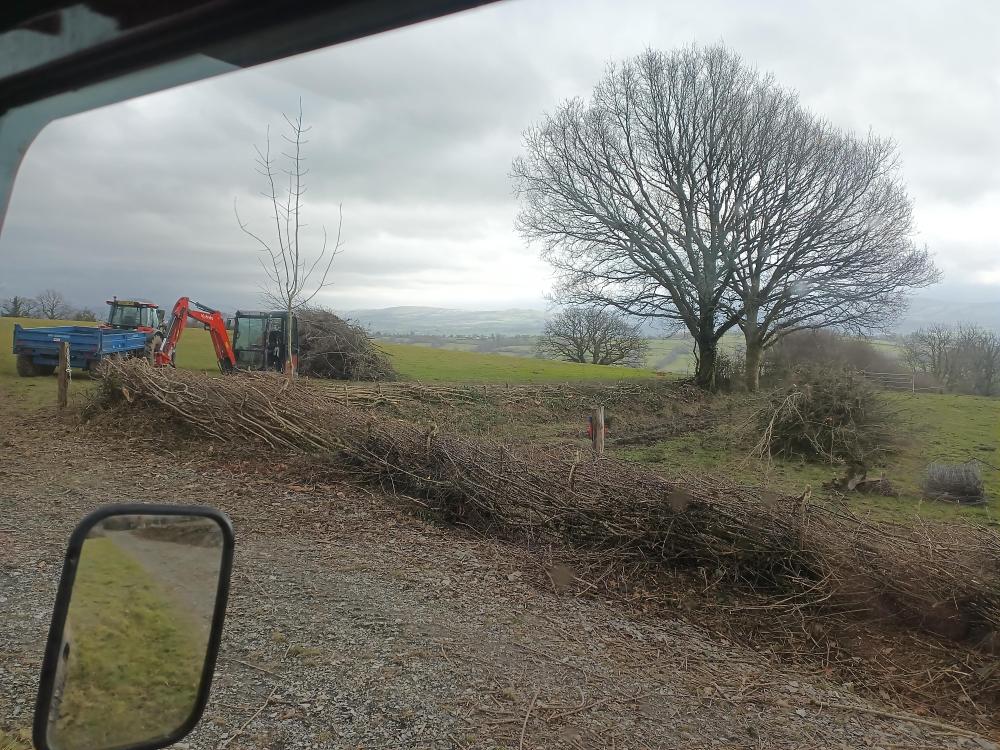
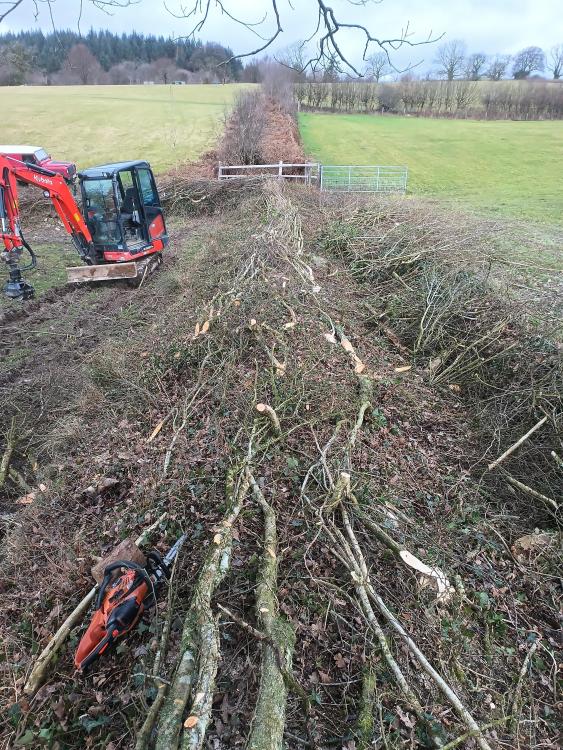
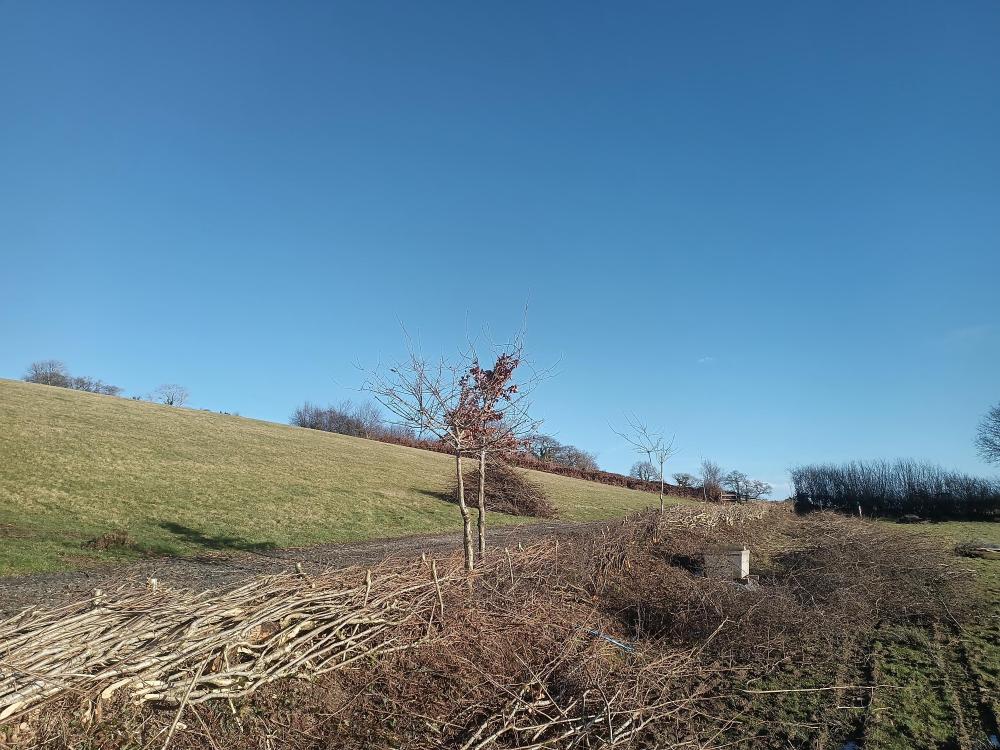
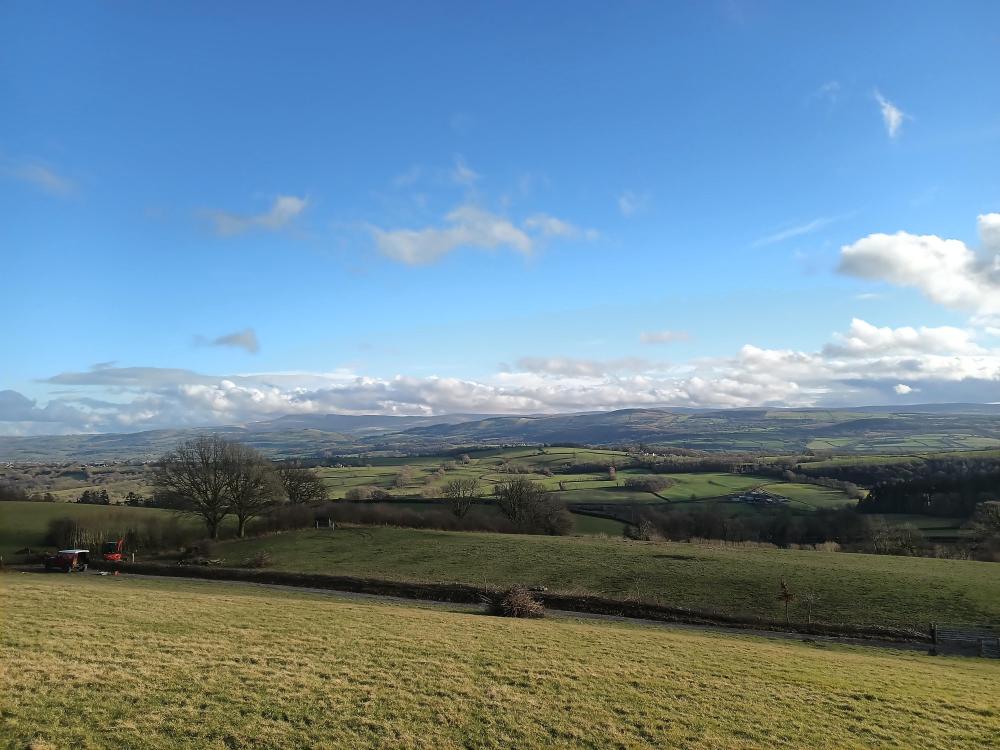
I feel your pain! I've sharpened my way through a brand new chain in a day. This stretch under the oaks had 4 fences in various states of decay and an almighty amount of blackthorn tangled up in it all. Those brash piles are pretty much all blackthorn from that 30m, tried to retain and lay all the hazel. It's a bit thin under the two oaks. Not in Devon but west Wales, not really sure of the finer details of the Carmarthenshire style but this is what I'm up to.
-
I agree with a lot of the above. RAMS stands for risk assessment and method statement. I generally incorporate theses into the Construction Phase Plan (CPP) - not sure if that applies to arb but it's a good blanket document to cover the plan for larger jobs including information on site access maps, emergency services access point, work schedule etc etc. Method statement can be as simple as a list of bullet points of what you're going to do and in what order. Assess the risk of each step/ tasks of above. It might be a good idea to break risk down into severity and likelihood of incident, and score 1-3 for each. Multiply severity by likelihood to get a risk score. Score 1-3 is low risk, 4-6 is medium and 7-9 is high risk. If any stage of you method statement is high risk then you need to change the method statement accordingly. You should try to introduce different methods for medium risk where practicable. I have a list of tasks specific risk assessments, i.e. tree felling or loading plant onto a trailer. I refer to these in the Construction Phase Plan but don't include the whole risk assessment. I never really have to modify them. Then for each new job/site I'll do a risk assessment that is specific to that site, and include that in the CPP. Hope that helps
-
Don't tell anyone but I stole a load of oak boards last week. Quercus robber.
-
I was down the local paint shop yesterday when a delivery came in. I thought to myself "wow, they really do have a full pallet of colours".
-
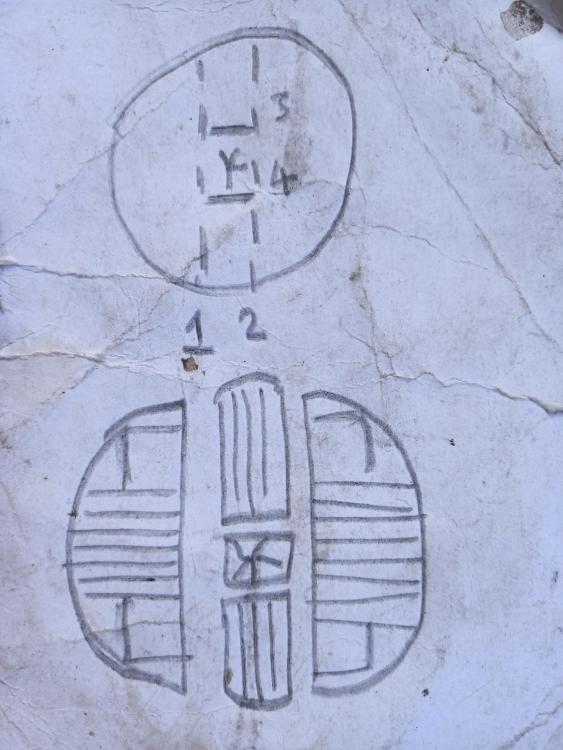
Looks like you're gonna get a good amount of nice timber out of those logs. When I've quarter sawn large logs I've found a different pattern to be more efficient. I'm not sure it results in more true quarter sawn boards but it's certainly quicker and less hassle for me. I've done a quick sketch but only have a small scrap of paper and a pencil on me so hopefully you can see it. Cuts 1 and 2 depends on the extent of the pith and any check, and a multiple of target board thickness. Then cuts 3 and 4 box out the heart and can either form a post or make firewood. In each "semi circle" shaped can't I tend to cut a rift cut post from each corner and then boards which are pretty well quarter sawn. The boards cut from the remainder two sections are also good quarter sawn. A few of the boards will end up quarter sawn towards the pith and rift sawn towards the bark side. Speaking in terms of how a woodworker would look at the boards, not a true quarter sawn process. Looking forward to seeing pictures of the boards you end up with.
-
The beach boys walk into a bar. Round? Round? Get a round? I'll get a round.
-
One of my dairy herd stepped on my foot this morning, now I lactose.
-
For anyone who's keeping up with the news. Israeli Cannibals trying to decide how to prepare their latest victim: "Who's sayin' Salami?"
-
Oh I just saw the other replies. My flail doesn't run at all when the circuit is set to dual acting, it's a femac. If you add a return to tank I think the retuning oil wants to go back in to the tank below the oil level. If it sprays through the air I think you'll end up with loads of cavitation and frothy oil coming out the top of the tank
-
Maybe a stupid question but are you sure it's piped for double acting? If you dead head the actuator in one way and then the other does it strain the engine in both directions? I would have thought it was more likely to be piped single acting only, unless it's a retrofit kit someone has added for a specific use
-
I'm sure you've probably sorted it by now but on the 61-3 it's under the floor, right near the door. Silver handle, turn it 90° 👍 never used the -2 so not sure if it's the same
-
I looked into this about ten years ago when I wasn't happy with the pay we were getting for travelling. It might have changed but back then you legally didn't have to be paid anything for travel time so long as your pay divided by weekly hours including travel time meets minimum wage. Obviously if you want happy productive staff then paying them their usual rate is the way to go, if the job can absorb the cost. Worth considering how much travel either side of a work day is sensible, if there was an accident on site or a car crash on the way home because of fatigue from long days. We used to be offered accommodation on any site more than an hour from home.
-
Looks like "pallet wood" to me, would need to see a photo of the whole pallet to make a proper assessment though. In all seriousness that's surely a piece of oak?